
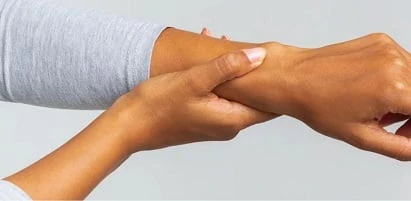
CTS Extremity Proficiency Product 2023 – ExtremityExperts (Videos)

$45.00
VIDEO COURSE · Orthopedics · 2023
Dr. Mitch Mally’s carpal tunnel proficiency course teaches differentiation of 17 entrapment neuropathies from elbow to wrist and hand — with diagnostic evaluation, clinical examination, X-ray analysis, and adjustment technique demonstrations on live models and bone models.
-
17neuropathies
-
19lessons
-
2023year
- 17 entrapment neuropathies from elbow to hand
- Carpal tunnel statistics, origins, and evaluation techniques
- Wrist adjustment techniques and bone model demonstrations
- Covers Guyon’s canal, pronator teres, cubital tunnel, and more
Carpal tunnel syndrome proficiency — evaluation and treatment of entrapment neuropathies
Dr. Mitch Mally’s carpal tunnel proficiency course goes beyond isolated carpal tunnel syndrome to address 17 distinct entrapment neuropathies occurring from the elbow through the wrist and hand. The program systematically covers diagnostic evaluation, clinical examination, X-ray findings, and hands-on adjustment techniques — giving you a comprehensive framework for differentiating the multiple compression neuropathies that can mimic or coexist with carpal tunnel symptoms.
-
17neuropathies
-
19lessons
-
2023year
Inside this resource
Understanding carpal tunnel origins and statistics
The course opens with clinical data on carpal tunnel syndrome prevalence and the occupational factors that contribute to its development. From there, it builds a systematic understanding of carpal tunnel origins — the biomechanical, anatomical, and inflammatory pathways that lead to median nerve compression. This foundation establishes why treatment must address the specific compression site rather than applying a one-size-fits-all approach.
Evaluation techniques and X-ray interpretation
Orthopedic examination and X-ray analysis form the diagnostic core of the program. Dr. Mally walks through elbow examination tests, carpal tunnel orthopedic examination procedures, and radiographic findings that identify the compression site. The evaluation section includes clinical case studies that demonstrate how assessment findings translate into targeted treatment plans for each specific neuropathy pattern.
Adjustment techniques for carpal tunnel and beyond
The treatment section covers wrist adjustment techniques alongside demonstrations for Guyon’s canal syndrome, Pisiform-Hamate syndrome, anterior interosseous neuropathy, trigger finger, trapezoid manipulation, sulcus ulnaris syndrome, supinator syndrome, pronator teres syndrome, and cubital tunnel syndrome. Bone model demonstrations for Pisiform-Hamate syndrome provide anatomical clarity, while live-model presentations show the real-time application of each technique.
Who this serves
- Chiropractic physicians — comprehensive entrapment neuropathy evaluation and adjustment training
- Hand therapists — understanding the differential diagnosis of compression neuropathies from elbow to hand
- Primary care clinicians — systematic approach to evaluating hand and wrist numbness beyond simple carpal tunnel diagnosis
The chart
| Format | Video course |
|---|---|
| Faculty | Mitch Mally, DC |
| Year | 2023 |
| Publisher | ExtremityExperts |
| Department | Orthopedics |
| Delivery | Instant download after checkout · lifetime re-access |
Verified original fileInstant downloadEncrypted checkout
5 reviews for CTS Extremity Proficiency Product 2023 – ExtremityExperts (Videos)
Add a review
Related products

Orthopedics

Steven K. –
Dr. Mally’s teaching style makes complex neuropathy patterns easy to follow. The clinical case studies help you understand why each adjustment technique matters. Essential for any practitioner managing upper extremity complaints.
Richard H. –
The 17-entrapment neuropathy framework changed how I evaluate hand numbness. Previously I was only thinking about carpal tunnel — now I can differentiate between cubital tunnel, pronator teres, and the other compression sites systematically.
Linda M. –
Good systematic approach to CTS and related neuropathies. The Guyon’s canal and pisiform-hamate syndrome sections were particularly eye-opening for me. The course structure follows a logical clinical workflow.
Patricia N. –
Thorough coverage of carpal tunnel evaluation and treatment. The X-ray interpretation section is well-done and practical. I would have liked more live-model footage in the adjustment section but the bone model demonstrations fill the gap.
Michael D. –
This course does an excellent job distinguishing between the 17 compression neuropathies that can present similarly. The bone model demonstrations for the less common syndromes are especially helpful for understanding the anatomy involved.