


Aesthetic MedicineOnline courseFiller complications
Recognise and manage filler emergencies — vascular occlusion, blindness, nodules, infection and nerve injury, with real case interviews
Dermal Filler Complications is Tim Pearce’s course for aesthetic injectors on spotting, treating and preventing adverse events after hyaluronic acid and other fillers. Its 28 lessons, 10 h 26 min with accompanying PDFs, combine short teaching units with long interviews in which practitioners and patients describe occlusions, vision loss, anaphylaxis and facial palsy as they happened.
- 28lessons
- 10 h 26 minof video
- 6real-story interviews
- PDFsincluded
What you’ll be able to do
- Identify early vascular occlusion through pain, colour change and capillary refill, and act on it with hyaluronidase
- Assemble and use an emergency reversal kit, from adrenaline and aspirin to sildenafil as a flow aid
- Explain the routes to filler-related blindness and stroke and the injection habits that lower the risk
- Tell infective nodules and biofilm apart from type 1 and type 4 hypersensitivity reactions
- Manage non-inflammatory lumps, bruising, nerve palsy and salivary gland trauma
- Support the patient, and yourself, through the emotional aftermath of a complication
Inside the course
Emergencies that threaten tissue or sight
Several lessons on impending necrosis walk through the cell biology of ischaemia, a written protocol and live case accounts. The blindness units cover ocular blood supply, risky regions and products, and treatment decisions, and a short lesson describes how filler can reach the cerebral circulation.
Inflammation, infection and lumps
Teaching separates bacterial infection, from mild cellulitis to sepsis, from delayed immune reactions and granulomas, then turns to soft non-inflamed swellings treated with massage, saline, extrusion or enzyme.
Nerves, glands, bruising and consent
Lessons address facial nerve palsy after cheek filler, cannula injury to the salivary glands in chin and jawline work, haematoma prevention and an editable aftercare leaflet. The conclusion suggests using risk discussion in consultation and peer groups for case planning.
Real stories and bonus interviews
First-hand accounts of anaphylaxis, lip ptosis, a lower-face reaction to Restylane in the marionette lines and loss of vision, plus two long interviews on nasal and other occlusions and a brief demonstration of why negative aspiration can mislead.
Built for
- Doctors, dentists and nurses who inject fillerA complication framework that goes past the basics taught in foundation training.
- Clinic leads writing emergency protocolsKit contents, occlusion steps and aftercare material to adapt locally.
- Trainers and mentorsReal case interviews that make complication teaching concrete.
Curriculum
Lessons (10 h 26 min) 28 lessons
- Bacterial Infection (16 min)
- Blindness (01 min)
- Blindness 2 (1 h 02 min)
- Blindness 3 (44 min)
- Conclusion (05 min)
- Haematoma (12 min)
- How to Edit Your Aftercare Leaflet (02 min)
- Impending Necrosis (05 min)
- Impending Necrosis 2 (16 min)
- Impending Necrosis 3 (59 min)
- Impending Necrosis 4 (20 min)
- Inflammatory Lesions (30 min)
- Inflammatory Lesions 2 (22 min)
- Introduction (04 min)
- Nerve Injury (09 min)
- Nerve Injury 2 (18 min)
- Non-Inflammatory Lesions (09 min)
- Real Stories – Anaphylactic Reaction (29 min)
- Real Stories – Blindness (1 h 02 min)
- Real Stories – Impending Necrosis (16 min)
- Real Stories – Lip Ptosis (04 min)
- Real Stories – Lower Face Allergic Reaction to Dermal Fillers (25 min)
- Real Stories – Nerve Injury (09 min)
- Salivary Gland Injury (06 min)
- Stroke (05 min)
- Bonus Module – Aspirating Experiment (02 min)
- Bonus Module – Interview on Nose Occlusion (1 h 20 min)
- Bonus Module – Interview on Vascular Occlusion (54 min)
Before you buy
Is the lesson order a teaching sequence?
No. Lessons are arranged alphabetically, so the introduction sits in the middle; start with it and the conclusion before working through topics.
Are some videos repeated?
It looks that way. Three real-story lessons (blindness, impending necrosis, nerve injury) match numbered lessons in running time and content, so the unique material is somewhat under 10.5 hours.
Does it teach filler injection technique?
No. The focus is on complications and prevention; it assumes you already inject and does not replace hands-on training or local emergency guidance.
What are the PDFs?
Supporting documents accompany the videos, including an aftercare leaflet you can brand; their full list is not given.
Do I get CME credit or a certificate?
No. Clinicapedia provides the educational content only — no CME or CE credits, MOC points or certificates of completion are included with this product.
Specifications
| Format | Online video course with PDFs |
|---|---|
| Instructor | Tim Pearce |
| Contents | 28 lessons |
| Duration | 10 h 26 min |
| Language | English |
| Department | Aesthetic Medicine |
| Delivery | Instant download · lifetime re-download |
Related products

Aesthetic Medicine

Aesthetic Medicine
Aesthetic Medicine
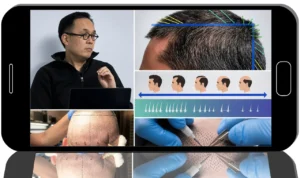
From Lab to Practice: A Surgical Guide to Hair Transplantation
Plastic Surgery