
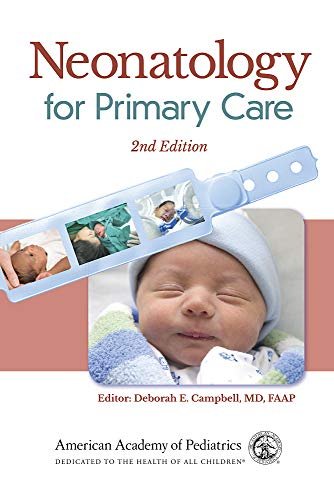
Neonatology for Primary Care, 2nd Edition (Original PDF from Publisher)

$2.00
eBook · Neonatology · 2nd Edition
Neonatology for primary care 2nd edition by the American Academy of Pediatrics covers 40+ chapters with step-by-step guidance on newborn health, from prenatal diagnosis and breastfeeding to congenital anomalies and intensive care transitions.
-
40+chapters
-
1,320pages
-
2ndedition
- Step-by-step guidance on when to admit, treat, or refer newborns
- 8 new chapters including prenatal diagnosis and fetal interventions
- Covers heart murmurs, cyanosis, neurologic findings, and anomalies
- Includes preterm infant nutrition and shared decision-making topics
Comprehensive AAP Reference for Newborn and Infant Care in Primary Practice
Neonatology for primary care 2nd edition is a revised and updated AAP publication covering practical approaches to caring for healthy and high-risk newborns. Across 40+ chapters, the text addresses maternal and fetal health, care after delivery, breastfeeding, common congenital anomalies, and health outcomes through step-by-step guidance on what to do, when to admit, and when to refer.
-
40+chapters
-
1,320pages
-
2ndedition
Inside this resource
Newborn Assessment and Congenital Anomalies
Neonatology for primary care addresses the full spectrum of newborn evaluation, from heart murmurs and cyanosis to neurologic findings. The text covers common congenital anomalies with detailed recommendations and referenced lists within each chapter for quick clinical consultation.
New Chapters in the Second Edition
Eight additions include “Prenatal Diagnosis,” “Fetal Interventions,” “Optimizing Nutrition for the Preterm, Very Low-Birth-Weight Infant After Discharge From Neonatal Intensive Care,” “Newborn Immunizations and Immune Prophylaxis,” “Balancing Safe Sleep and Other Recommendations for Newborns,” “Vascular Anomalies,” “Endocrine Disorders Presenting in the Newborn Period,” and “Shared Decision Making Around Home Technologies.”
High-Risk Newborn Management
Chapters address primary care issues relating to newborns and infants requiring intensive care, including follow-up protocols, developmental outcomes, and transitions between neonatal intensive care and community-based practice.
Who it’s for
Primary care pediatricians, family physicians, neonatal nurse practitioners, and residents who manage newborns and infants in outpatient or community settings. Neonatology for primary care serves as a practical reference for clinical decision-making across the newborn period.
Specs
| Format | Paperback, 1,320 pages |
| Publisher | American Academy of Pediatrics |
| Edition | 2nd Edition, February 2020 |
| ISBN | 978-1610022248 |
FAQ
What is new in the 2nd edition?
Eight new chapters were added including prenatal diagnosis, fetal interventions, preterm nutrition after NICU discharge, newborn immunizations, safe sleep, vascular anomalies, endocrine disorders, and shared decision-making around home technologies.
Is neonatology for primary care suitable for specialists?
While designed for primary care providers managing newborns, the comprehensive coverage of congenital anomalies and high-risk infant care makes it a useful reference for pediatric specialists as well.
How is the content organized?
Each chapter provides step-by-step guidance with recommendations, detailed references, and clear decision points on when to admit, treat, or refer.
5 reviews for Neonatology for Primary Care, 2nd Edition (Original PDF from Publisher)
Add a review
Related products

Pediatrics
Karen J. –
This second edition fills gaps that many neonatology texts overlook. The new chapters on prenatal diagnosis and fetal interventions are timely and practical. Every primary care pediatrician should have this on their shelf.
Tom B. –
With over 40 chapters covering everything from breastfeeding to congenital anomalies, this is a thorough reference. The step-by-step guidance on when to admit versus refer is especially useful in daily practice.
Ahmed F. –
Strong chapters on heart murmurs and cyanosis in newborns help distinguish normal findings from pathology. The section on endocrine disorders presenting in the newborn period is a welcome addition to the reference.
Susan W. –
After using several neonatal references, this remains the most practical for primary care settings. The preterm infant nutrition chapter alone justifies the purchase. Clear writing with detailed references throughout.
Grace L. –
The 8 new chapters address current challenges including safe sleep guidelines and shared decision-making around home technologies. The content on neonatology for primary care settings is well organized and clinically relevant.