
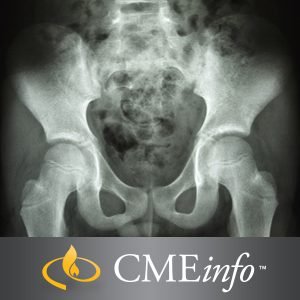
Pediatric Body MRI 2015 (CME Videos)
$5.00
Video Course · Radiology · 2015
The pediatric body MRI 2015 video course covers applied physics, sequence optimization, and advanced MR imaging techniques across hepatobiliary, oncologic, and renal conditions in children, presented by leading pediatric radiologists.
-
15+video lectures
-
2015edition
- Covers sequence selection, body MR angiography, and artifact reduction
- Includes hepatobiliary disease, liver tumors, and diffuse liver disease
- Reviews clinical applications of body MRI in pediatric oncology
- From expert pediatric radiologists including Dr. Chavhan and Dr. Chung
Authoritative Review of Pediatric Body MR Imaging Techniques
The pediatric body MRI 2015 course is designed to help radiologists become familiar with state-of-the-art body MR imaging techniques, their practical applications, and key MR imaging features across a wide array of pediatric disease processes. The program addresses how to better use body MRI in management and treatment of conditions in children.
-
15+video lectures
-
2015edition
Inside this resource
Applied Physics and MRI Techniques
Topics include “When to Use What Sequences” by Govind B. Chavhan, “How We Do It: Body MR Angiography” by Rajesh Krishnamurthy, and “Optimization and Artifact Reduction in Abdominal MRI” by Taylor Chung. These sessions establish the technical foundation for pediatric body MRI.
Hepatobiliary and Oncologic Imaging
Dedicated sessions cover “Clinical Perspective: Hepatobiliary Diseases in Children” by Binita Kamath and “MRI of Liver Tumors” by Alexander J. Towbin, alongside diffuse liver disease evaluation. Each lecture combines clinical context with imaging findings for practical application.
Advanced Applications and Clinical Integration
The pediatric body MRI curriculum extends into advanced techniques being applied in body MR imaging and reviews the present and future role of MRI in pediatric oncology. Clinical experiences demonstrate real-world management through MR imaging.
Who it’s for
Pediatric radiologists, general radiologists who interpret pediatric studies, MRI technologists working with children, and radiology trainees seeking a structured review of pediatric body MRI techniques and applications.
Specs
| Format | MP4 + PDF |
| File Size | 5.76 GB |
| Year | 2015 |
| Delivery | Instant digital download |
FAQ
What topics does the pediatric body MRI course cover?
The course spans applied physics, sequence selection, MR angiography, artifact reduction, hepatobiliary imaging, liver tumors, diffuse liver disease, and the role of body MRI in pediatric oncology management.
Who are the faculty?
Lectures are presented by recognized experts including Govind B. Chavhan, Rajesh Krishnamurthy, Taylor Chung, Binita Kamath, and Alexander J. Towbin.
Is this suitable for MRI technologists?
Yes. The optimization and technique sessions are directly relevant to technologists seeking to improve quality of pediatric body MRI examinations.
5 reviews for Pediatric Body MRI 2015 (CME Videos)
Add a review
Related products


Pediatrics

Elena V. –
The sessions on applied physics and sequence selection were immediately applicable to my practice. Dr. Chavhan’s lecture on when to use what sequences alone was worth the investment. Excellent production quality throughout.
James T. –
Covers hepatobiliary, oncologic, and renal imaging with practical depth. The optimization and artifact reduction session helped me troubleshoot common problems in pediatric abdominal MRI. Would have liked more MSK content.
Carlos D. –
Each lecture combines physics fundamentals with real clinical scenarios. The liver tumors and diffuse liver disease sessions provide useful diagnostic frameworks. At 5.76 GB the file size is manageable for download.
Mei C. –
The pediatric body MRI course bridges the gap between basic MRI knowledge and advanced pediatric applications. The body MR angiography session was particularly well presented with a strong faculty lineup.
Priya R. –
Thorough coverage of pediatric body MRI from basic sequences to advanced techniques. The hepatobiliary section integrates clinical perspective with imaging findings effectively. A valuable resource for trainees and attendings.